
Narratives of Belonging: The Case of Chidimma Vanessa Adetshina
Posted: 30 September, 2024 Filed under: Namatirayi Ngwasha, Zekhethelo Cele | Tags: Aliens Control Act of 1973, belonging, birth country, Chidimma Vanessa Adetshina, cultural authenticity, debate on identity, Department of Home Affairs, dual heritage, dual identities, heritage, human rights, identity fraud, Immigration Act in 2002, immigration laws, immigration policies, Miss South Africa pageant, national identity, nationality, race, second-generation migrants, social exclusion, socio-economic challenges, The South African Citizenship Act of 1995, tribal affiliations, xenophobic violence 6 Comments Author: Zekhethelo Cele
LLM Candidate, Centre for Human Rights, University of Pretoria
Chidimma Vanessa Adetshina’s nationality has sparked a significant debate on identity, belonging, and representation between South Africa and Nigeria. Allegedly born in South Africa to a Nigerian father and a Mozambican mother, Chidimma’s story resonates with many second-generation migrants who grapple with dual identities and the challenges of being fully accepted in their birth country while maintaining a connection to their heritage.
Recently crowned Miss Universe Nigeria 2024, Chidimma’s journey has been marked by both triumph and controversy. Her participation in the Miss South Africa pageant faced backlash, with some South Africans questioning her nationality and prompting an investigation by the Department of Home Affairs. The Department suggested that Chidimma’s parents might have obtained South African citizenship fraudulently, with her mother allegedly using an identity number assigned to a South African woman. This led to Chidimma’s withdrawal from the Miss South Africa pageant and set the stage for her subsequent victory in Nigeria.
Redefining criminal defamation laws in South Sudan for enhanced press freedom: Lessons from Konaté v. Burkina Faso
Posted: 27 September, 2024 Filed under: Mayen Mangok Ruop, Namatirayi Ngwasha | Tags: article 19 of the International Covenant on Civil and Political Rights, article 66(2)(c) of the Treaty of the Economic Community of West African States (ECOWAS), article 9 of the African Charter on Human and Peoples’ Rights, civil remedies, criminal defamation, criminal defamation laws, criminal penalties, cybercrime, defamation laws, disinformation, freedom of expression, hate speech, international human rights standards, Konaté case, Lohé Issa Konaté, media freedom, misinformation, press freedom, South Sudan Leave a comment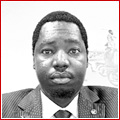 Author: Mayen Mangok Ruop
LLM Candidate, Centre for Human Rights, University of Pretoria
Introduction
Despite a global shift toward decriminalisation, 160 countries still maintain criminal defamation laws. These laws are often justified as targeting disinformation, misinformation, cybercrime, or hate speech. However, they frequently include vague language or impose disproportionate punishments, which can negatively impact media freedom and pose a broader threat to freedom of expression. While a few African countries have adopted the decriminalisation regimes, many countries still maintain strict defamation laws. In South Sudan, criminal defamation is frequently used for stifling journalists and restricting press freedom, thereby obstructing the nation’s democratisation efforts.
20 years later, will Joseph Kony’s victims get justice?
Posted: 25 September, 2024 Filed under: Michael Aboneka | Tags: 70 girls, abduction, Amnesty Amendment Act, crimes against humanity, hunt for Kony, internally displaced persons camps, Joseph Kony, Lord’s Resistance Army (LRA), LRA, Lwala Girls School, murder, rape, Rome Statute, Rome Statute of the International Criminal Court, sexual enslavement, Uganda, Ugandan leader, war crimes, witness protection law Leave a comment Author: Michael Aboneka
LLM Candidate, Centre for Human Rights
Joseph Kony is a Ugandan leader of the Lord’s Resistance Army (LRA). The LRA started its operations from Northern Uganda extending to some parts of Sudan, the Democratic Republic of Congo and the Central African Republic. He claims to be fighting to liberate the Acholi and Ugandans from oppression and captivity.
He has both individual and command responsibility under articles 25 and 28 of the Rome Statute of the International Criminal Court (Rome Statute). Kony founded the LRA as its supreme leader and commander with effective control over it. He ordered his commanders to attack Lwala Girls School and abducted 70 girls in 2003, and attacked Pajule, Abok, Lukodi internally displaced persons camps among others. He was indicted with 21 counts of war crimes including murder, inducing rapes among others and 12 counts of crimes against humanity including acts of inflicting serious bodily injury and suffering, rape, sexual enslavement, abduction and enlisting over 30,000 children.
Agency and vulnerability in the intersection of abortion law and refugee experience in Kenya
Posted: 23 September, 2024 Filed under: Pawi Fortune | Tags: abortion, abuse, Africa, Dadaab, defilement, displaced persons, Federation of Women Lawyers (Fida – Kenya) & 3 others v Attorney General & 2 others, forced prostitution, foreign domination, gang rape, health care services, healthcare services, Kakuma, Kenya, maternal deaths, mental health, Ministry of Health Guidelines on the Management of Sexual Violence in Kenya, physical trauma, rape, refugees, safe abortion services, Sexual Offences Act, sexual violence, state of unrest, unintended pregnancies, unsafe abortions, unwanted pregnancy Leave a comment Author: Pawi Fortune
Kabarak University Law School
The number of refugees in Africa has been on the rise[1] with many people being morphed into refugee status by various reasons such as a state of unrest, foreign domination and internal/external aggression.[2] In pursuit of safer grounds, ‘aspirant refugees’ flee to other countries hoping for better conditions than that from which they fled. However, even in countries of asylum, displaced persons face a precarious existence devoid of guaranteed safety or survival. Dadaab and Kakuma, critical refugee sanctuaries in Kenya, shelter a diverse population of refugees fleeing instability in countries such as Somalia, the Democratic Republic of the Congo and South Sudan.[3] Nonetheless, mistakenly believing this new land to be a haven, refugees are subjected to unimaginable sexual violence, a cruel irony that erodes their dignity and sense of self to a degree that renders their prior persecution almost preferable. This paper aims serve as a lamentation, a call for help reflecting the pain of survivors of sexual violence in refugee camps who have succumbed to the dangerous consequences of unsafe abortions or lack of it due to inaccessibility of the appropriate health care services.
Mozambique’s struggle for the freedom of peaceful assembly: A complex reality that reaps lives
Posted: 18 September, 2024 Filed under: Denise Ivone Mboana | Tags: Amnesty International, Azagaia, civil war, economic development, excessive force, Excessive Use of Force, freedom of expression, freedom of peaceful assembly, human rights, International Covenant on Civil and Political Rights, Intimidation of victims, lack of transparency, Mozambican National Resistance, Mozambique, multiparty system, peaceful assembly, peaceful protests, police suppression, Regional and International Human Rights Instruments, Restrictive Legal Framework, street protests, The Civicus Monitor, Universal Declaration on Human Rights, unrest, violence 8 Comments Author: Denise Ivone Mboana
LLM Student, University of Sussex
Introduction
This article aims to provide a brief analysis of the freedom of peaceful assembly in Mozambique. Nestled along Africa’s southeastern coast, Mozambique has a vibrant cultural history. Nevertheless, the nation has confronted substantial challenges rooted in its colonial past and internal conflicts, notably the “16 years’ war” involving the ruling Frelimo party (in power since independence) and the main opposition Mozambican National Resistance (Renamo) party. Following the 1994 peace agreement that concluded the civil war, Mozambique transitioned to a multiparty system, enabling other political parties to participate in elections; after this period of turbulence, the country has made significant progress in recent years towards political stability and economic development.[1] However, in terms of civil participation and freedoms, The Civicus Monitor, a reputable global civil society alliance, ranks Mozambique’s status as “oppressed”[2] and recent events and the current pre-election scenario confirm this assessment. The restrictions on civil liberties, limited freedom of expression, and suppression of dissent are indicative of the challenges faced by Mozambican citizens in exercising their democratic rights.
Celebrating the enduring legacy of the Special Rapporteur on Freedom of Expression and Access to Information in Africa
Posted: 16 September, 2024 Filed under: Nicholas Cheruiyot | Tags: Access to Information, African Commission on Human and Peoples’ Rights, African continent, Declaration of Principles of Freedom of Expression and Access to Information in Africa, democracy, false news, information laws, information legislations, international human rights standards, internet shutdowns, intimidation, online harassment, physical threats, right to freedom of expression, Securing the Effective Realization of Access to Information in Africa, sexual violence, Special Rapporteur on Freedom of Expression and Access to Information in Africa, transparency, verbal abuse, violations Leave a comment Author: Nicholas Cheruiyot
LLM Student, Centre for Human Rights
1 Introduction
The Special Rapporteur on Freedom of Expression and Access to Information in Africa (SR) was established in 2004 by the African Commission on Human and Peoples’ Rights (Commission).[1] This was following a series of events beginning in 1998 when the idea of free and open internet was conceived,[2] considering the importance of access to information in relation to the freedom of expression. The SR is one of the special mechanisms within the Commission, whose purpose is to promote and protect the freedom of expression throughout the African continent.[3] As the SR marks two decades in 2024 since its establishment, it has made significant progress in shaping Africa’s freedom of expression and access to information landscape as discussed in this article. There have however been challenges which have hampered its important role.
Challenges and Opportunities in Implementing Access to Information Laws
Posted: 9 September, 2024 Filed under: Chioma Henrietta Okoli | Tags: Access to Information Laws, accountability, Bureaucratic resistance, Challenges and Opportunities in Implementing Access to Information, civic engagement, cultural challenges, Culture of secrecy, democratic principles, FOI, freedom of information, fundamental right, good governance, Institutional Challenges, Lack of resources, open governance, Reluctance to share information, right to information, RTI, sensitive information, transparency Leave a comment Author: Chioma Henrietta Okoli
Senior Legal Officer, National Human Rights Commission, Nigeria
Introduction:
Access to information, often known as Freedom of Information (FOI) or Right to Information (RTI) is a fundamental right that enables individuals to seek, receive, and impart information freely.[1] It is a fundamental cornerstone of transparent governance, democratic principles, and citizen empowerment. It enables individuals to participate in the decision-making processes of their governments, fosters accountability, and strengthens the foundations of democratic societies.[2] To this end, countries worldwide have enacted access to information laws with the aim of ensuring public access to government and privately held information.[3] However, despite the noble intentions of these laws, their effective implementation remains a multifaceted challenge, impeding the realisation of a truly open and accountable society.
Paris 2024 Olympics: A landmark for LGBTI athletes in global sports
Posted: 6 September, 2024 Filed under: Lakshita Kanhiya | Tags: (LGBTI) rights, anti-discrimination law, anti-discrimination principles, bisexual, Caster Semenya, fight for equality, French Constitution, French law, gay, human rights, Imane Khelif, International Covenant on Civil and Political Rights (ICCPR), international human rights law, International Olympic Committee (IOC), intersex, Key international instruments, LGBTI athletes, LGBTI culture, LGBTI persons, LGBTI rights, marked a historic event not only in sports but also in the ongoing struggle for lesbian, Paris 2024 Olympics, Penal Code, sports regulation, The Paris 2024 Olympics, transgender, Universal Declaration of Human Rights (UDHR) Leave a comment Author: Lakshita Kanhiya
Pan-Africa ILGA
The Paris 2024 Olympics,[1] held from 26 July to 11 August 2024, marked a historic event not only in sports but also in the ongoing struggle for lesbian, gay, bisexual, transgender, and intersex (LGBTI) rights. The Olympics is a global platform where the world’s best athletes showcase their talents, but it is also a stage where issues of equality, human rights, and inclusion come into sharp focus.
Swiping Right or Wrong? The Risks of Digital Romance for Women’s Rights
Posted: 4 September, 2024 Filed under: Hlengiwe Dube | Tags: African context, challenges, compatible matches, cyberstalking, digital harassment, digital revolution, digital romance, digital technology, discrimination, identity theft, mental health, non-consensual sharing of personal information, online dating platforms, personal data, Privacy Concerns, romance, safety, smartphones, social boundaries, social media, social media networks, targeted harassment, unwanted attention, women’s rights Leave a comment Author: Hlengiwe Dube
Centre for Human Rights, University of Pretoria
Introduction
In the age of digital technology, where smartphones and social media have revolutionised communication across the globe, the landscape of romance has experienced profound shifts, especially within the African context. The rise of online dating platforms and social media networks has introduced unprecedented opportunities for connection, allowing individuals to meet potential partners beyond traditional geographical and social boundaries. However, this digital revolution also brings to light a series of challenges, particularly in terms of women’s rights and safety. In many societies, gender dynamics often intersect with technology use, and consequently, women face specific issues related to privacy breaches, non-consensual sharing of personal information, and digital harassment. The potential for exploitation in online spaces further exacerbate concerns about consent and equality. This article explores the negative repercussions of digital romance on women’s rights, critically examining how these new technological avenues can both empower and endanger women, thereby highlighting the urgent need for digital literacy, robust legal frameworks, and gender sensitive interventions to ensure a safer and more equitable online environment.
Navigating a restrictive access to information infrastructure in Uganda through the use of social media
Posted: 2 September, 2024 Filed under: Kansiime Mukama Taremwa | Tags: #MeToo, #UgandaParliamentaryExhibition, Access to Information, Access to Information Act, Arab Spring, costs of access to information, dictatorship, digital technologies, human rights law instruments, informed decision-making, internet, political development, political issues, social media, Social media activism, socio-economic development, street protests, traditional media, transparency, Uganda, youthful demonstrators Leave a comment Author: Kansiime Mukama Taremwa
LLM Candidate, Centre for Human Rights, University of Pretoria
From late February into March 2024, a hashtag ran on X (formerly Twitter) under the designation #UgandaParliamentaryExhibition. According to the protagonists behind this hashtag, the purpose of this move was to cast light on the outrageous spending within Uganda’s parliament.
The internet is considered to be the most disruptive piece of technology that enables the receipt and dissemination of information. Uganda is home to 2.6 million social media users. Few people can doubt the power of the internet in general and social media specifically, in stimulating democratic culture. Even some of the critics of digitisation accept that digital technologies lower the costs of access to information. The use of social media to organise and mobilise persons for action came to the fore in the early 2010s in what was known as the Arab Spring; a series of protests that led to the ousting of dictatorial governments in Tunisia, Egypt, and Libya. It was known for the youthful demonstrators that staged street protests and used social media to coordinate, raise awareness of the political issues, and record the events on the ground. The results of the Arab Spring are that dictatorships that had managed to stifle access to information and free flow of ideas for many years were toppled in part, due to the mobilisational capacities of social media.
 AfricLaw