Posted: 5 July, 2024 | Author: AfricLaw | Filed under: Contributors, Stella Nyanzi | Tags: Access to Information, Anti-Homosexuality Act (2023), Anti-Pornography Act, Computer Misuse (Amendment) Act, detained without trial, digital rights, Excise Duty (Amendment) Act, free expression, freedom of expression, General Comment 34, human rights, International Covenant on Civil and Political Rights (ICCPR), internet democracy without disruptions, Model Law on Access to Information, Musiri David, President Yoweri Museveni, public information, public media, restrictive laws, social media, Social Media Tax Law, state repression, Uganda, Uganda Human Rights Commission, Universal Declaration of Human Rights |
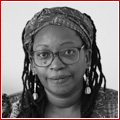 Author: Stella Nyanzi
Writers-in-Exile program, PEN Zentrum Deutschland
Fellow, Center for Ethical Writing, Bard College/ PEN America.
Summary
In Uganda, there is an incongruence between the legal regime governing access to information and freedom of expression on one hand, and a barrage of restrictive laws on the other. Although a decade has passed since the African Commission on Human and People’s Rights adopted the Model Law on Access to Information for Africa, growing state repression in Uganda generated laws aimed at silencing, denying access to information, criminalising and penalising government dissidents, deviants or minorities whose behaviours departed from societal norms, and destabilisers suspected of subverting the entrenchment of President Yoweri Museveni’s 37-year-old regime. I triangulate autoethnography with public media content analysis and law review to explore this incongruence within the right of access to information and free expression in Uganda.
Read the rest of this entry »
Posted: 6 April, 2016 | Author: AfricLaw | Filed under: Solomon Joojo Cobbinah | Tags: 2016 Presidential Election, access to justice, Directorate of Public Prosecutions, Dr Kizza Besigye, elections, Forum for Democratic Change (FDC), free and fair elections, freedom of movement, Kampala High Court, peaceful demonstration, police brutality, President Yoweri Museveni, preventive arrest, Uganda, Uganda Police Force, wrongful arrest |
 Author: Solomon Joojo Cobbinah
Ghanaian Journalist and Human Rights Activist
The Uganda Police Force is perhaps the most proactive in the entire world. They actively swing into action and arrest people they suspect are hatching plans to commit a crime. However, it seems the Police largely targets politicians, who are deemed to be “threats” to President Yoweri Museveni who has been in power for 30 years.
More than a month after Uganda’s February 2016 Presidential and Parliamentary Election, opposition leader Dr Kizza Besigye, flagbearer of the Forum for Democratic Change (FDC) continues to be under what the Police describes as “preventive arrest”. Preventive arrest is meant to stop him from leading protests against a declaration from Uganda’s Electoral Commission that President Museveni won the 2016 Presidential Election. Dr Besigye’s arrest on the Election Day restrained him from legally challenging an election he deemed fraudulent.
Read the rest of this entry »

 AfricLaw
Repressive Laws Silencing Dissidents, Deviants and Destabilisers in Uganda
Posted: 5 July, 2024 | Author: AfricLaw | Filed under: Contributors, Stella Nyanzi | Tags: Access to Information, Anti-Homosexuality Act (2023), Anti-Pornography Act, Computer Misuse (Amendment) Act, detained without trial, digital rights, Excise Duty (Amendment) Act, free expression, freedom of expression, General Comment 34, human rights, International Covenant on Civil and Political Rights (ICCPR), internet democracy without disruptions, Model Law on Access to Information, Musiri David, President Yoweri Museveni, public information, public media, restrictive laws, social media, Social Media Tax Law, state repression, Uganda, Uganda Human Rights Commission, Universal Declaration of Human Rights | 1 CommentWriters-in-Exile program, PEN Zentrum Deutschland
Fellow, Center for Ethical Writing, Bard College/ PEN America.
Summary
In Uganda, there is an incongruence between the legal regime governing access to information and freedom of expression on one hand, and a barrage of restrictive laws on the other. Although a decade has passed since the African Commission on Human and People’s Rights adopted the Model Law on Access to Information for Africa, growing state repression in Uganda generated laws aimed at silencing, denying access to information, criminalising and penalising government dissidents, deviants or minorities whose behaviours departed from societal norms, and destabilisers suspected of subverting the entrenchment of President Yoweri Museveni’s 37-year-old regime. I triangulate autoethnography with public media content analysis and law review to explore this incongruence within the right of access to information and free expression in Uganda.
Read the rest of this entry »